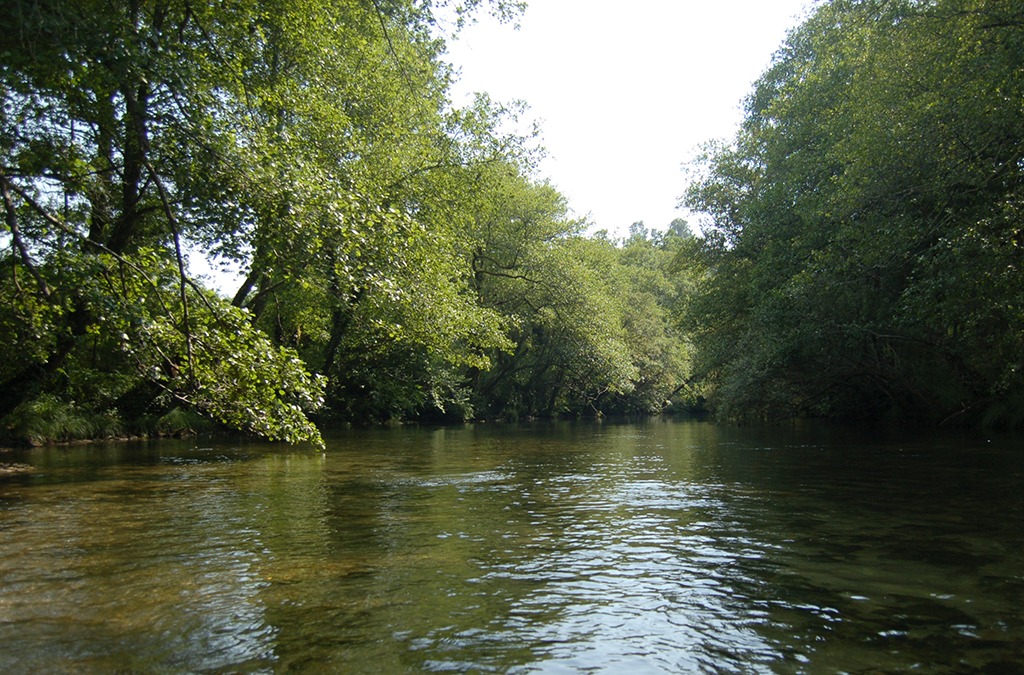
The Tea River, a tributary of the Miño, runs through part of Ponteareas. It is part of the Natura 2000 network created by the European Union to safeguard important habitats and species in Europe. It consists of zones of special conservation (ZEC) and special protection areas for birds (ZEPA).
The Tea River is one of the best-preserved in southern Galicia in terms of its waters and banks. The variety of river landscapes makes it the ecological benchmark of the Condado region. It has riparian forests with alders (Alnus glutinosa) and willows (Salix atrocinerea) where many invertebrates, amphibians, mammals, and birds inhabit. It includes rarities such as the Pyrenean desman (Galemys pyrenaicus) and endemisms like the salamander (Chioglossa lusitánica). It is accessible to migratory species such as eels (Anguilla anguilla), sea lampreys (Petromyzon marinus), caught with a “fisga” or by hand only in this river, brown trout (Salmo trutta), and Atlantic salmon (Salmo salar). From its source in the Sierras de O Suído and Faro de Avión to its mouth in the Miño at Salvaterra, it acts as a large ecological corridor where the wolf (Canis lupus), otter (Lutrinae), golden oriole (Oriolus oriolus), and kingfisher (Alcedo atthis) move. It also has several river beaches and recreational areas that are flooded in winter when precipitation is abundant. Several well-preserved Roman bridges cross it, such as the Cernadela Bridge.
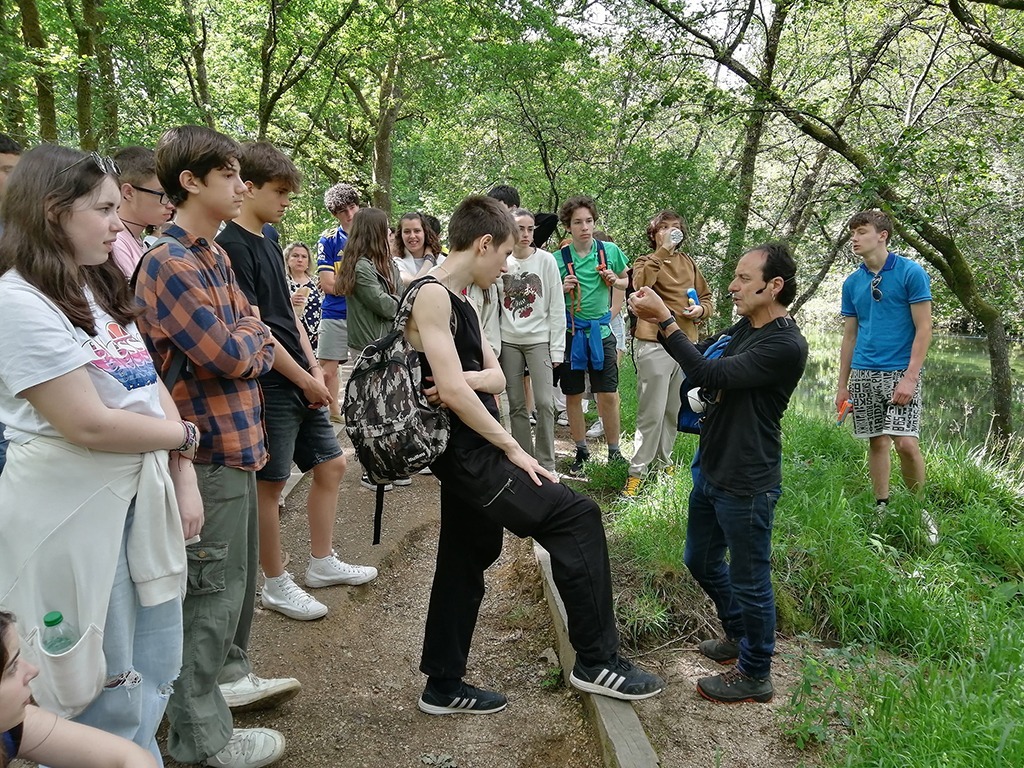
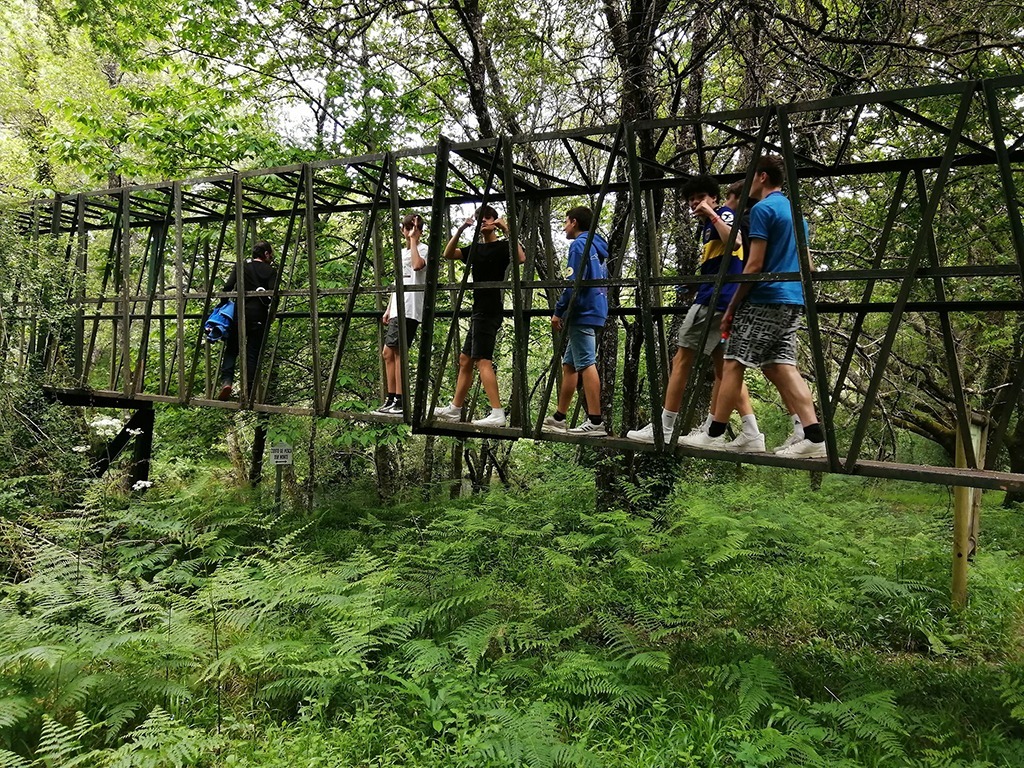
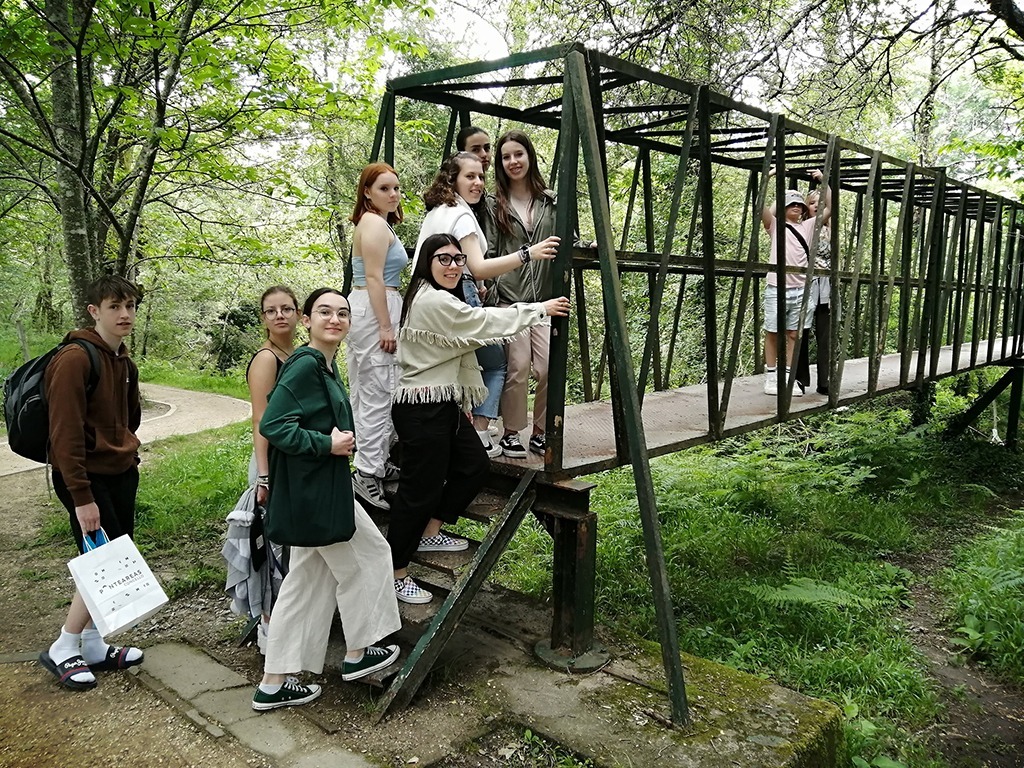
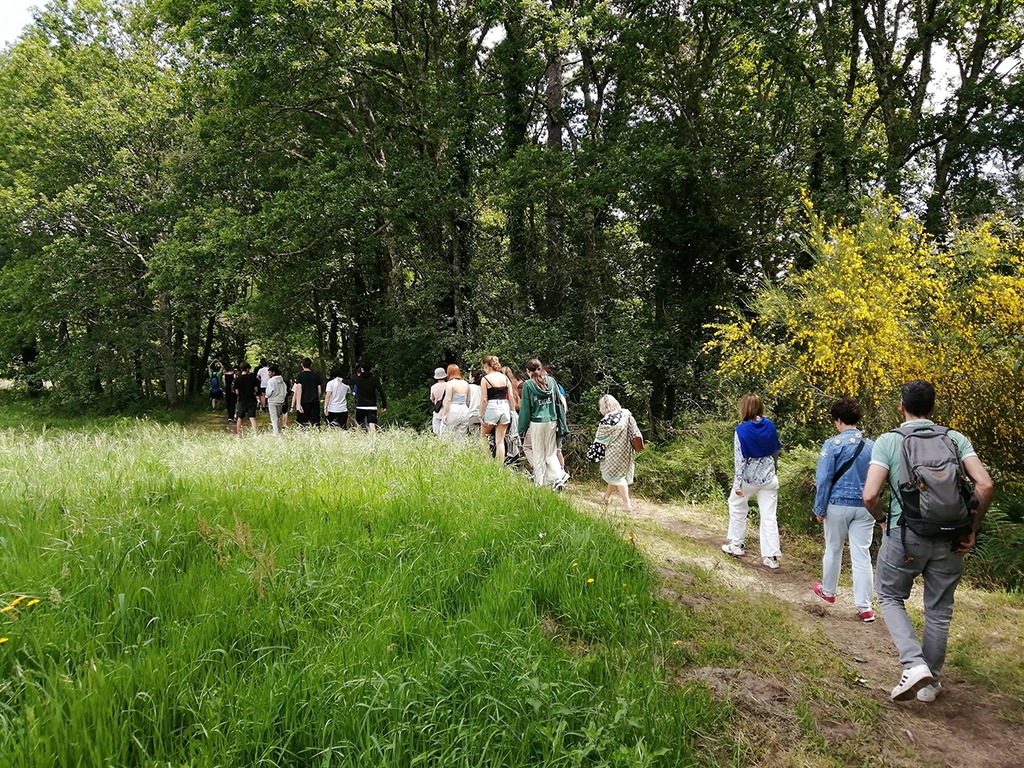
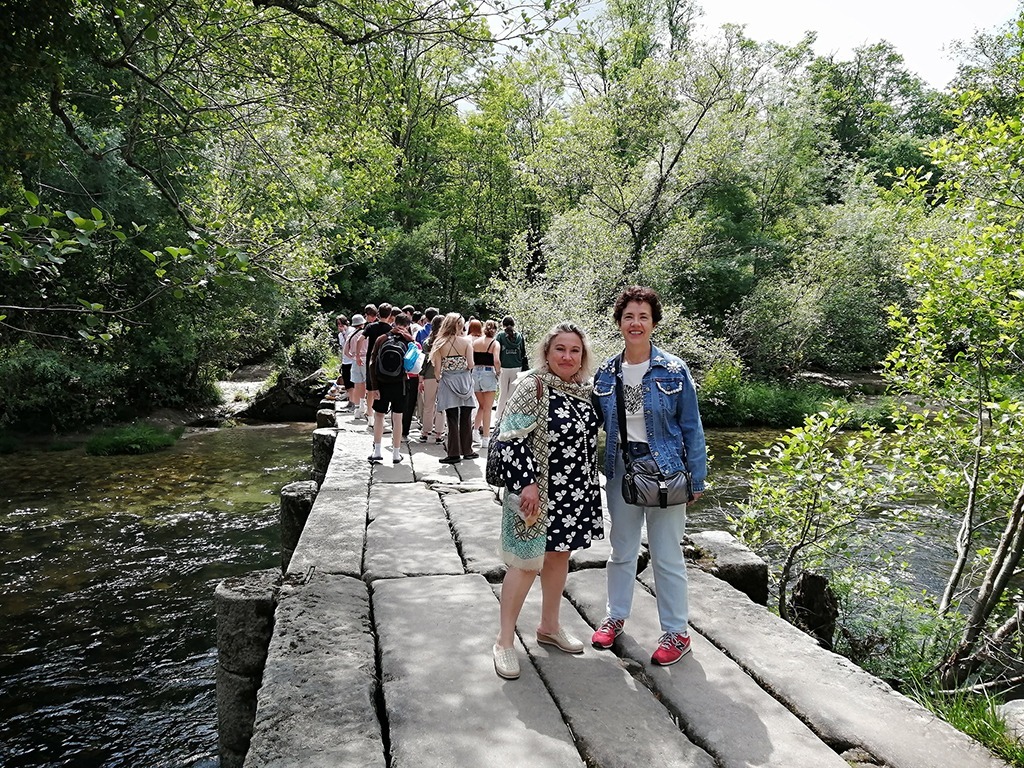
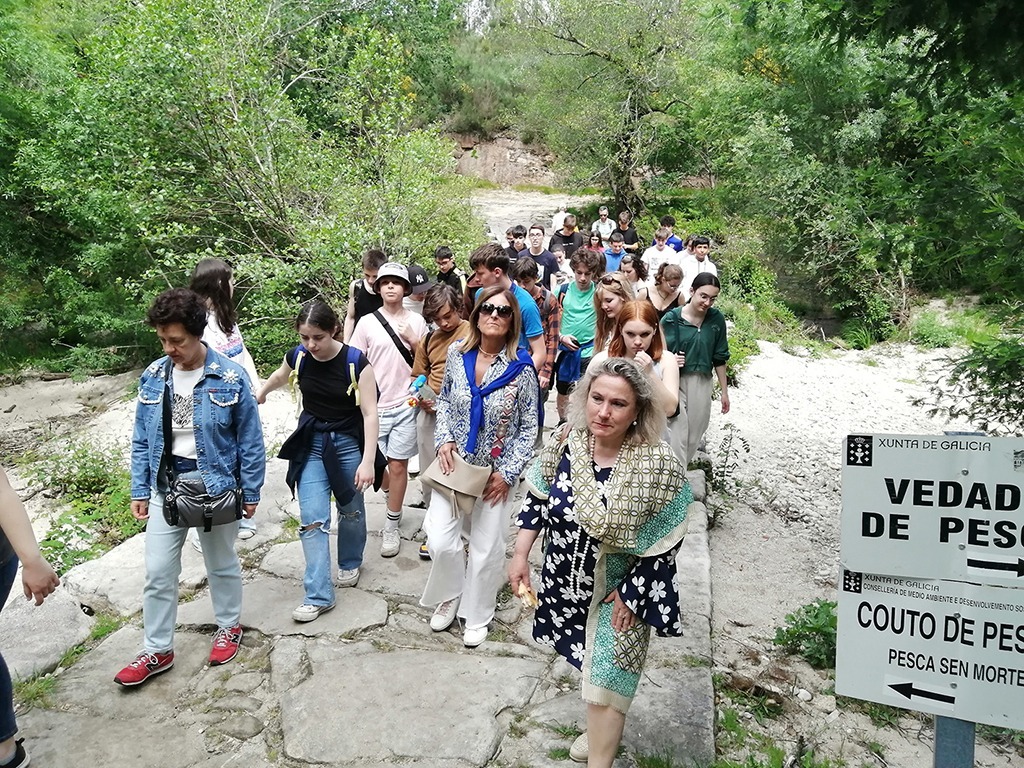
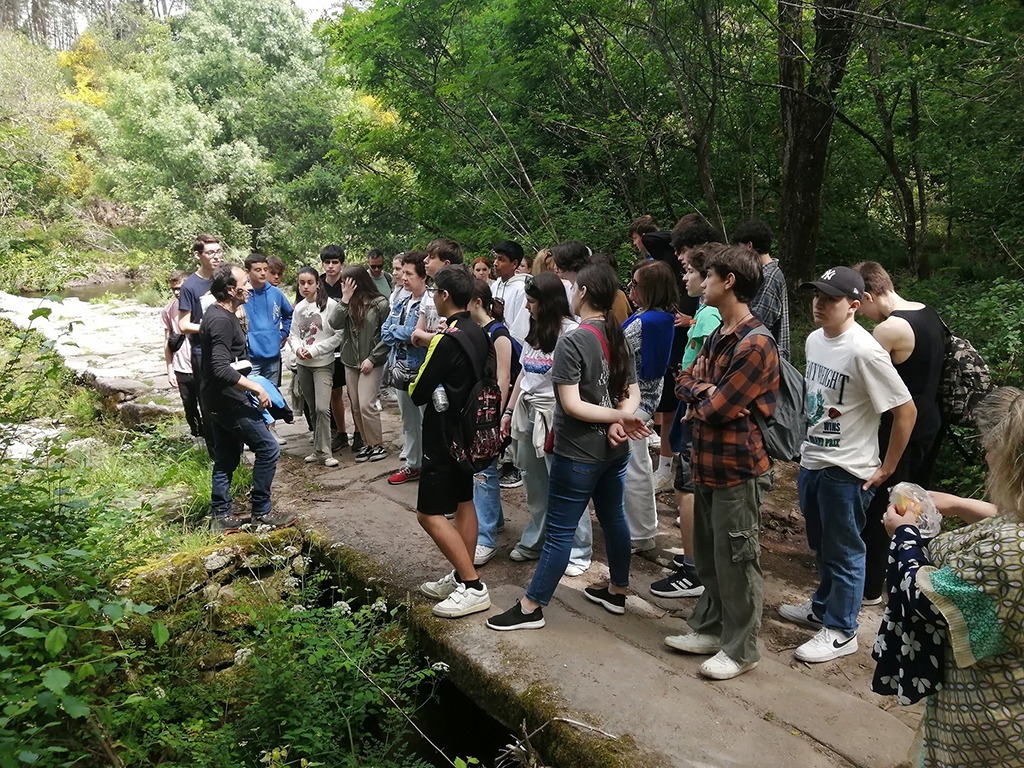
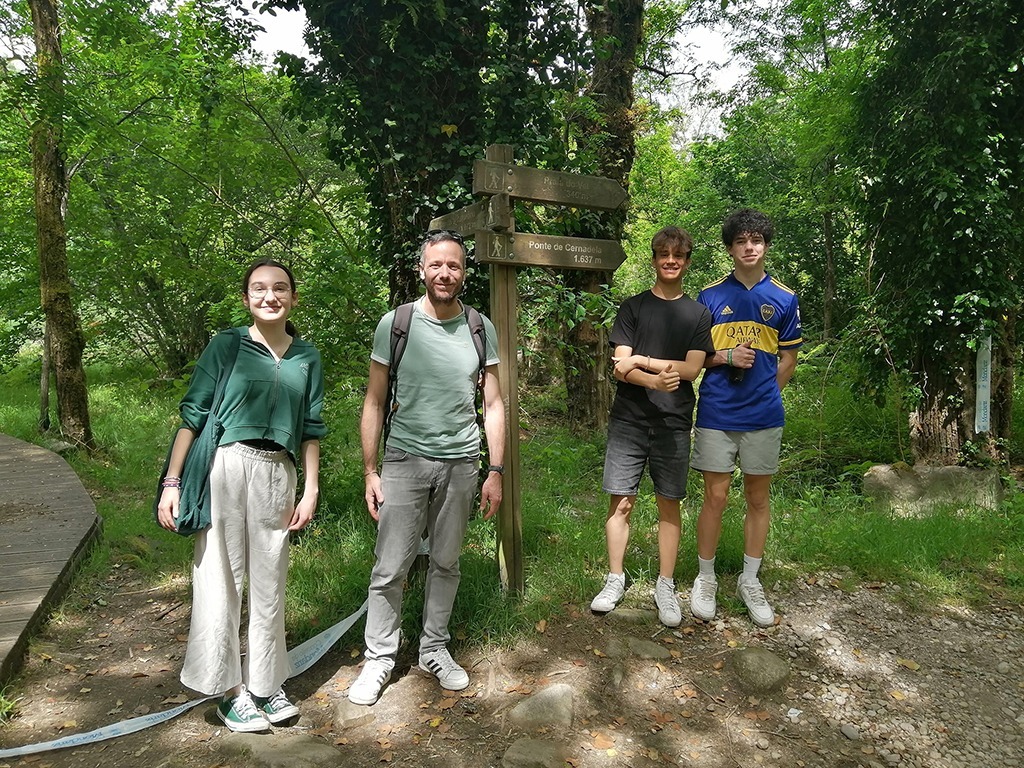
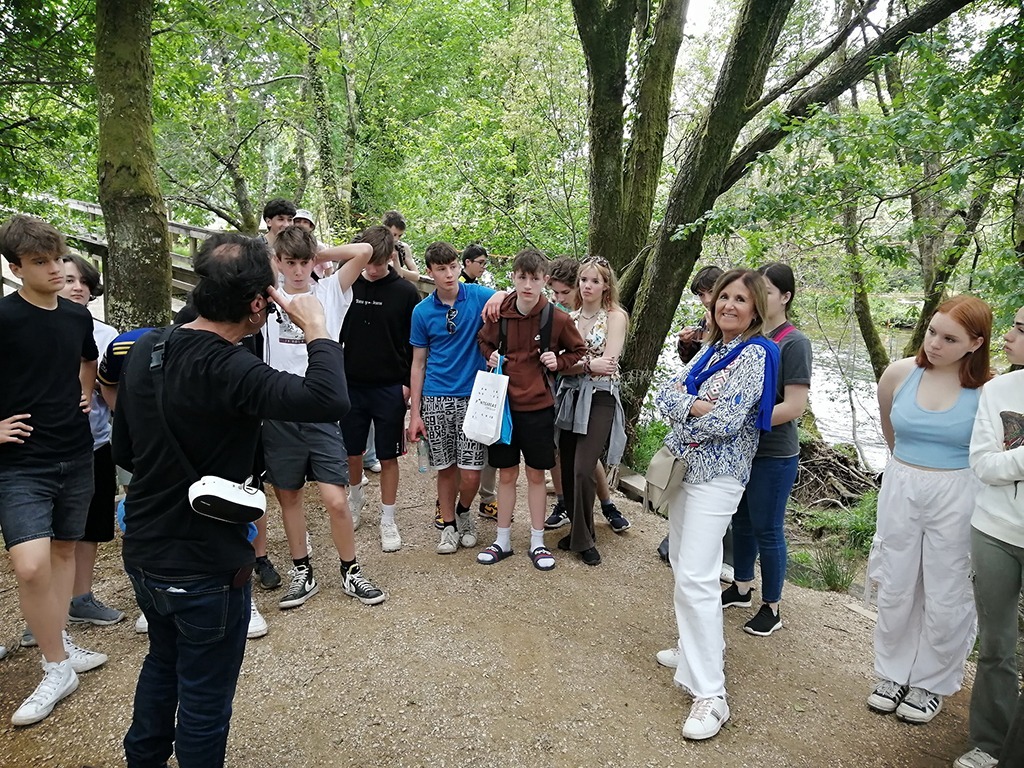
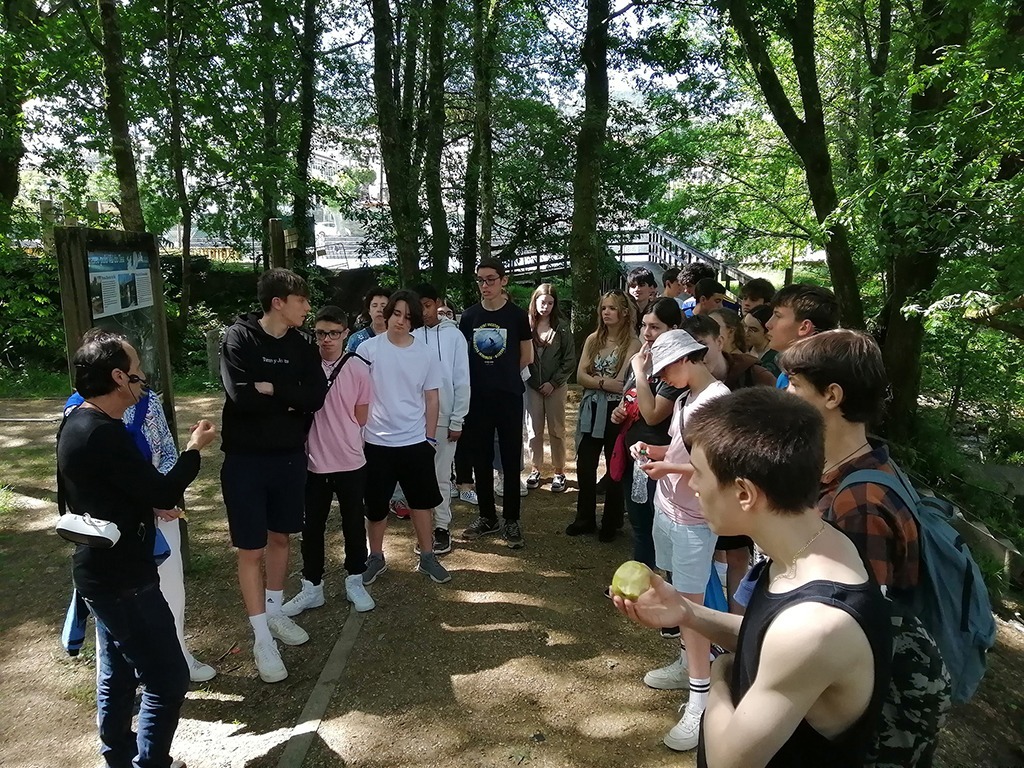
The activity created around this ecosystem consisted of a guided tour in which students walked a 2 km stretch along the banks of the Tea River. During the tour and with the help of worksheets, they identified the most characteristic riparian plants, some invertebrates, and fish. They visited wooden facilities on the river dedicated to lamprey fishing and crossed the river course through stone steps dating back to Roman times. They could hear the sound of some birds and appreciated the tranquility of the area, very well preserved. Throughout the journey, they picked up some litter contributing to the protection of the ecosystem. This visit helped them understand the importance of preserving such habitats.