HISTORY OF “LA INMACULADA” SCHOOL.
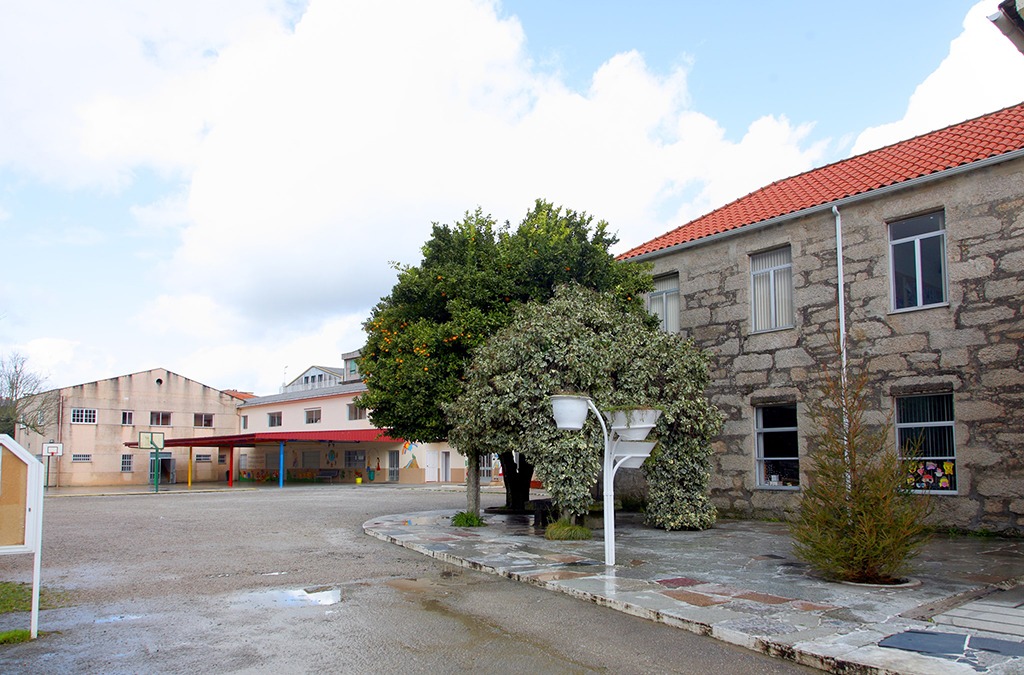
The history of La Inmaculada School begins in 1901 when Mr. Félix Rodríguez González donates a plot of his property to the parish priest of Ponteareas. Between the years 1930 and 1970, the school operated as a female charity boarding school.
The school was run by different religious orders, such as the Franciscan Sisters and the secular Institute Vita et Pax, which left in 2005. It was then that the teaching staff took charge of the school’s management.
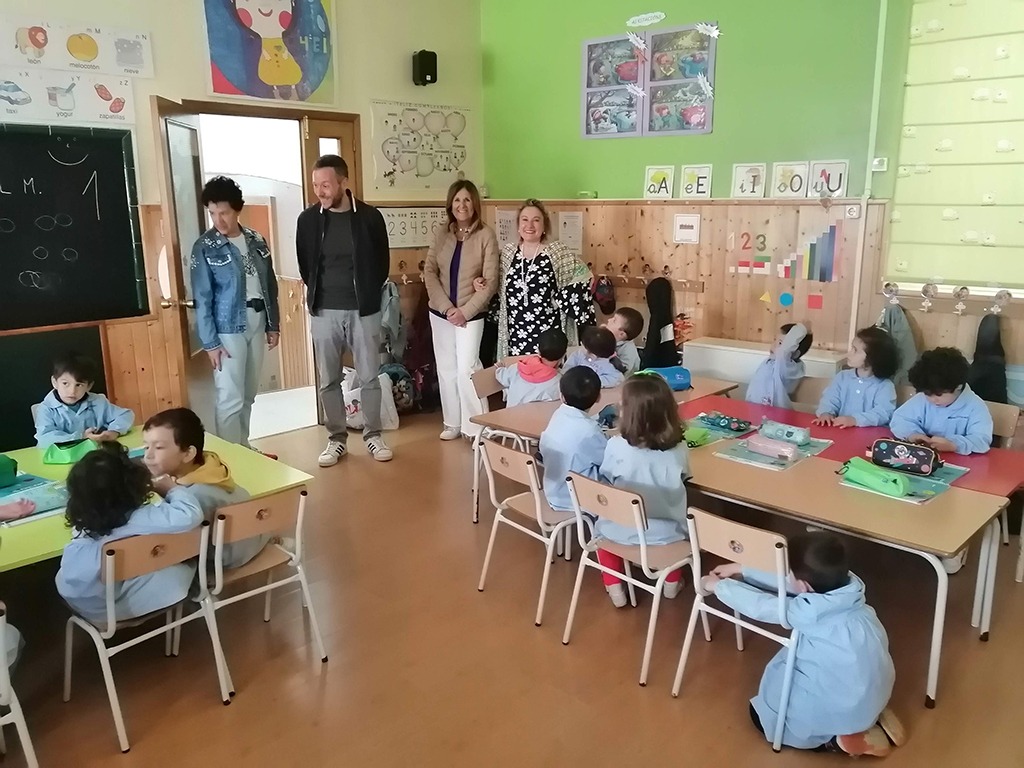
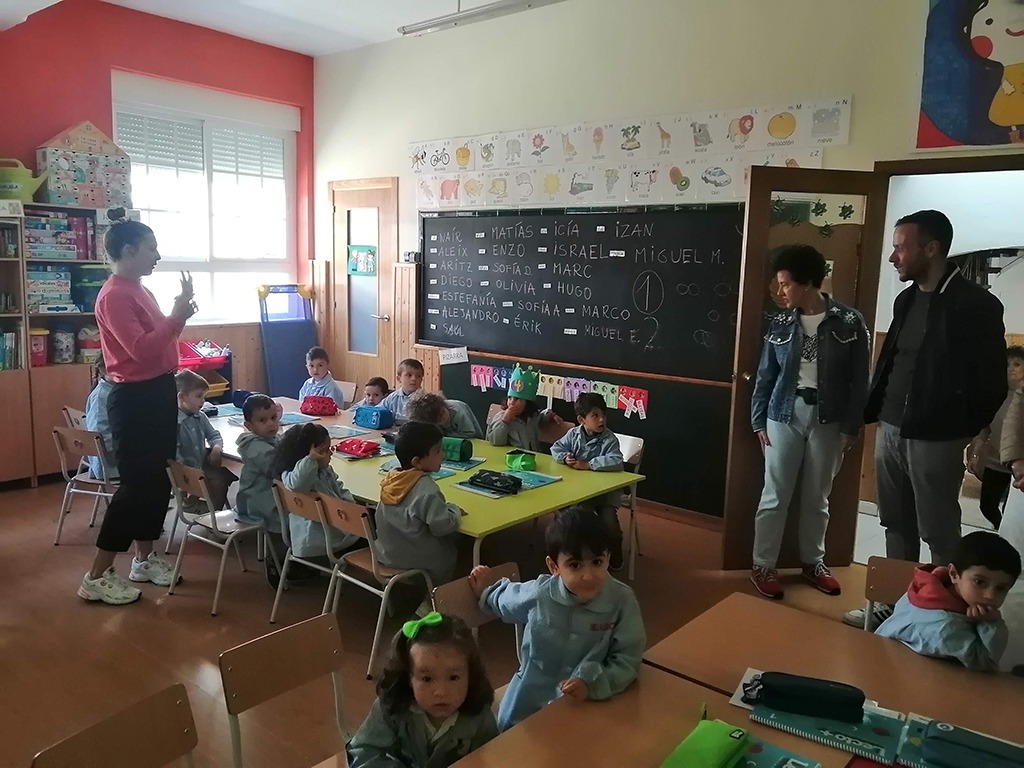
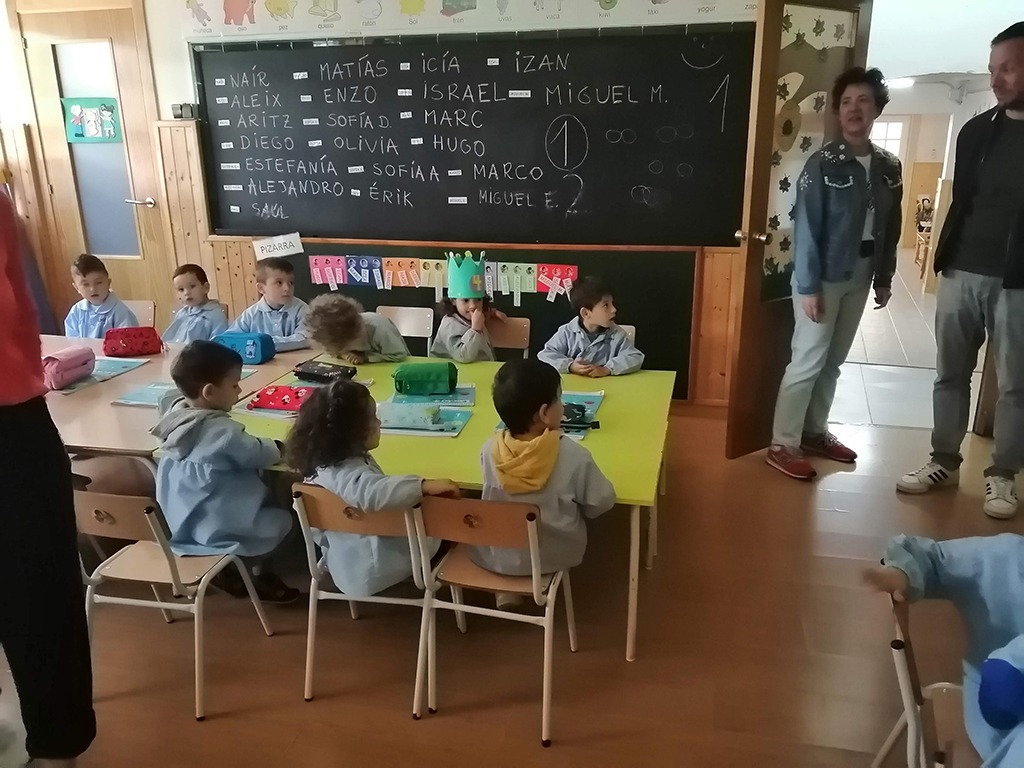
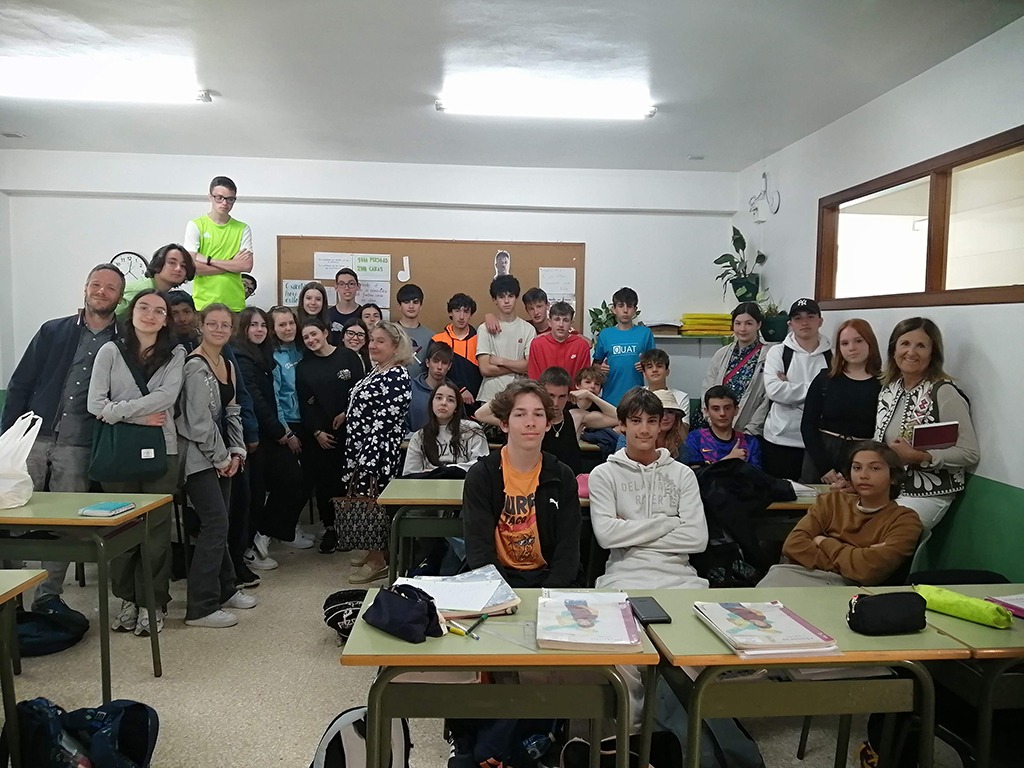
Currently, the school provides coeducational education covering all compulsory education levels: Preschool, Primary Education, and Secondary Education.
As a Catholic school, its main objective is the comprehensive education of students, involving education in the human, social, and intellectual realms, aiming to shape responsible men and women committed to society and the environment.
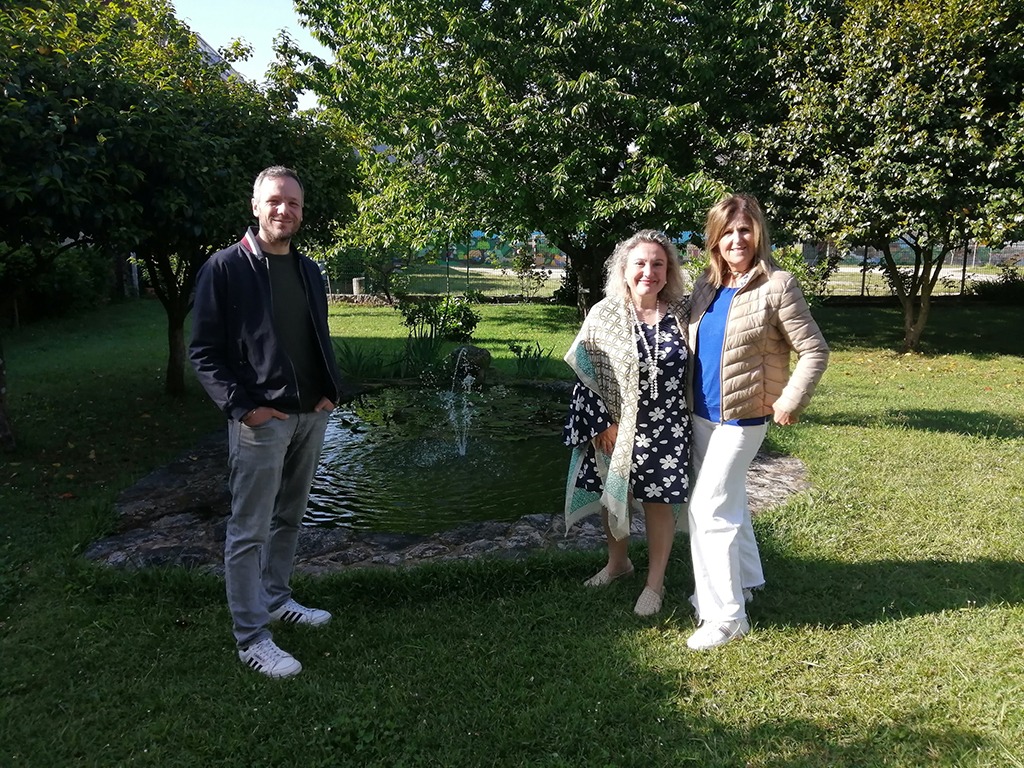
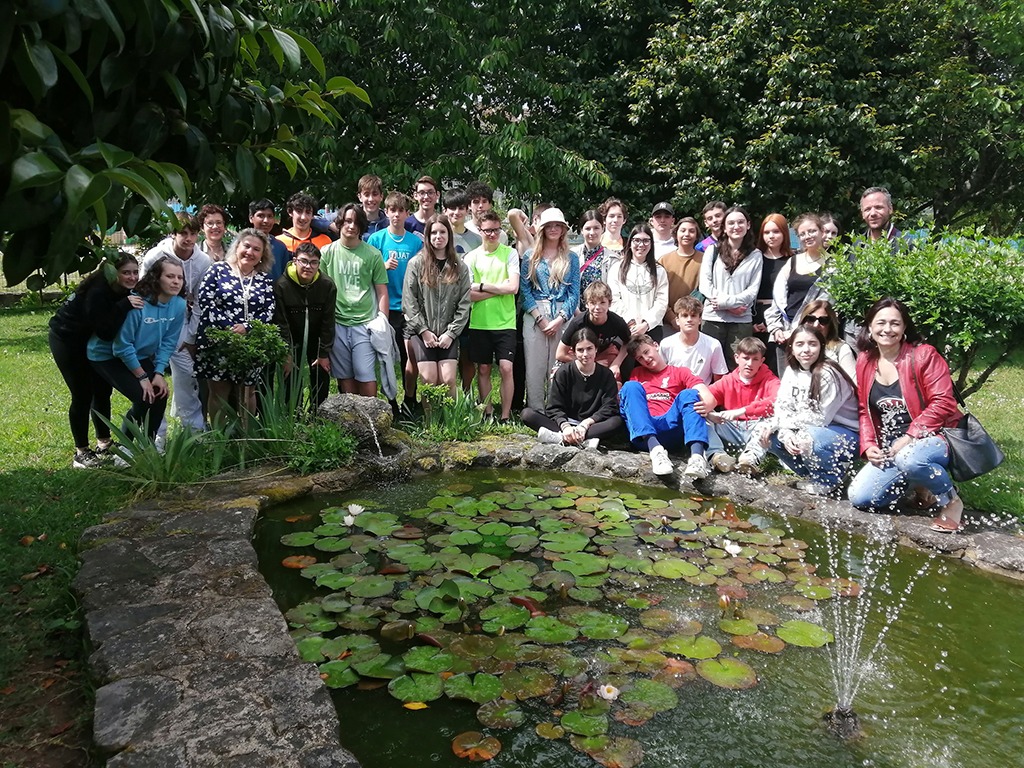
One of the educational pillars of our school is the knowledge and advocacy of the environment. We engage in activities aimed at making students aware of the diversity of the natural environment and involving them in recovery and protection efforts for areas in need. Since 2010, we have been members of the Voz Natura Program and plant trees in nearby mountains every year. We have an ecological orchard, an aquatic ecosystem, and a recycling center.
We plan activities focused on understanding the diversity of cultures and the importance of respecting all individuals regardless of their origin, social status, or physical appearance, emphasizing the defense of people with disabilities and the importance of supporting and accepting them as equals. We collaborate with NGOs assisting those in need, and our students visit the local senior center. We organize talks and lectures on topics such as “Bullying,” “Gender Equality,” “Cyberbullying,” etc., delivered by the Civil Guard, National Police, and doctors from the Health Center.
We organize excursions to places of heritage, natural, and cultural interest, such as the Scientific Museums of our community and the historic districts of cities like Ourense, Santiago, Pontevedra, or Ribadavia.
We promote multilingualism with classes in Spanish, Galician, English, and French. We conduct radio programs at the school, participate in English camps, and publish a magazine in Galician.