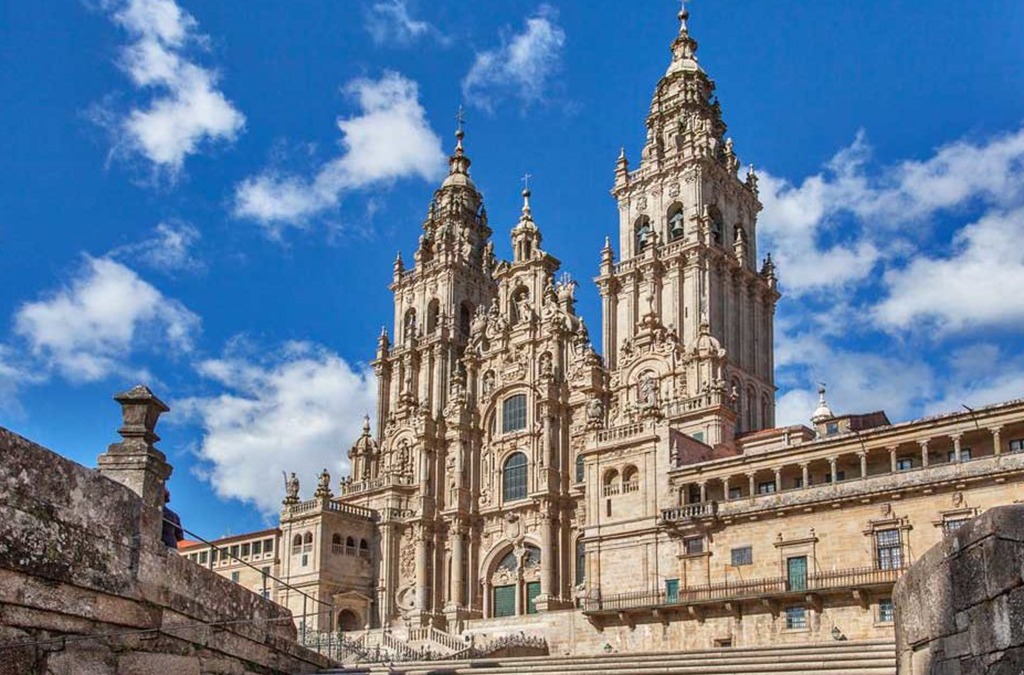
The city of Santiago de Compostela, the capital of Galicia and declared a UNESCO World Heritage Site, is a must-visit for all those who want to explore the cultural heritage of Galicia and, by extension, Europe.
Santiago boasts numerous museums, monuments, and parks.
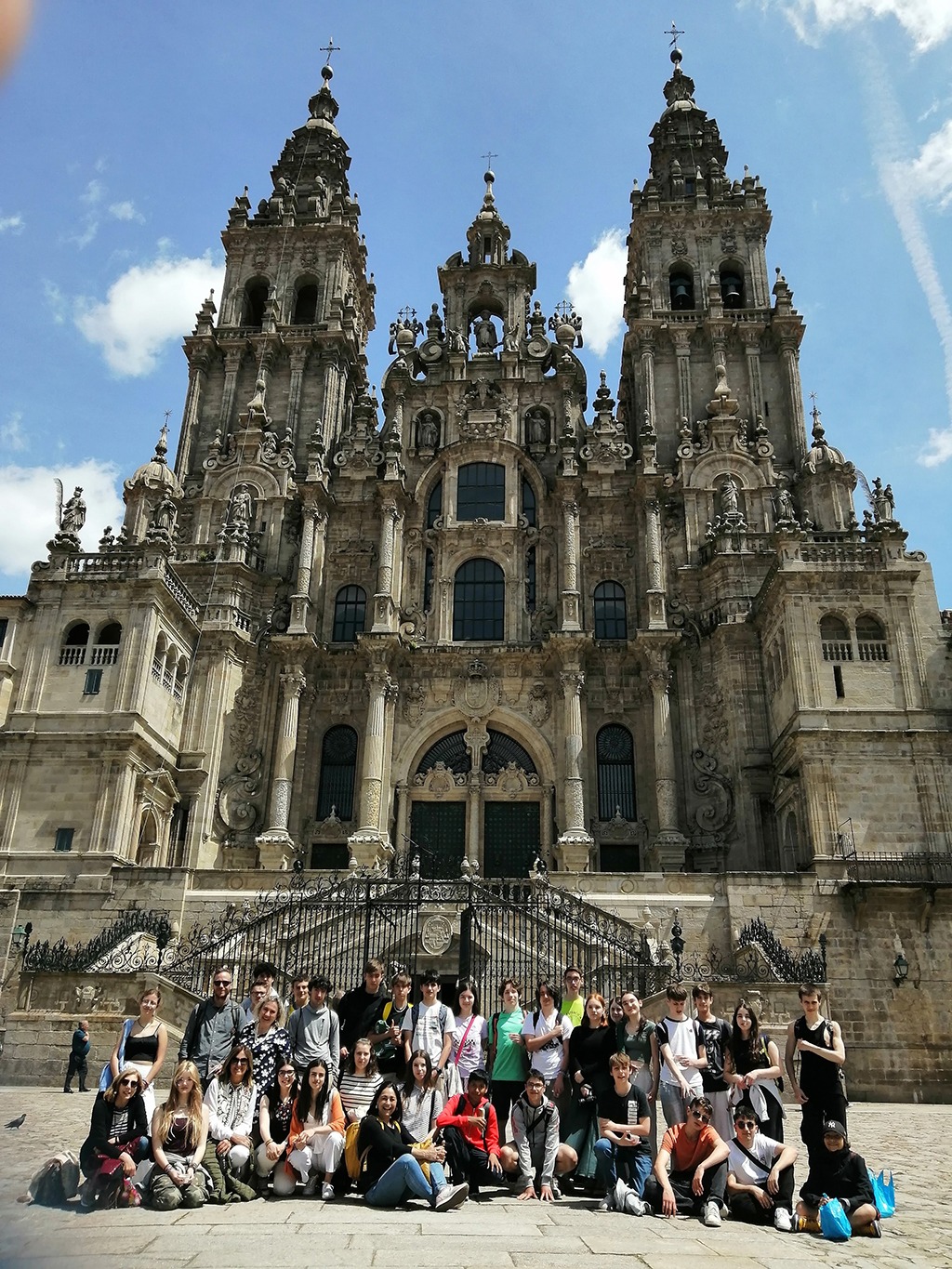
For all these reasons, we considered it important to organize a visit to this city so that students could enjoy a cultural day. We strolled through the city streets and admired landmarks such as the Baroque church of San Martín Pinario, a Benedictine monastery founded in the 10th century. The Obradoiro Square, considered one of the most beautiful in the world, where Romanesque buildings like the “Colegio de San Gerónimo,” Renaissance structures like the “Hostal de los Reyes Católicos,” Baroque elements like the “Obradoiro facade” (main entrance of the Cathedral), and neoclassical style, such as the “Palacio de Xelmirez,” the city’s town hall, coexist.
A must-visit was the Cathedral, a pilgrimage center since the Middle Ages, welcoming pilgrims from around the world.
Brussels is a city through which the “Camino de Santiago” also passes, and there are numerous signs of it. We found it very interesting to connect both cities and explore this shared part of their histories.
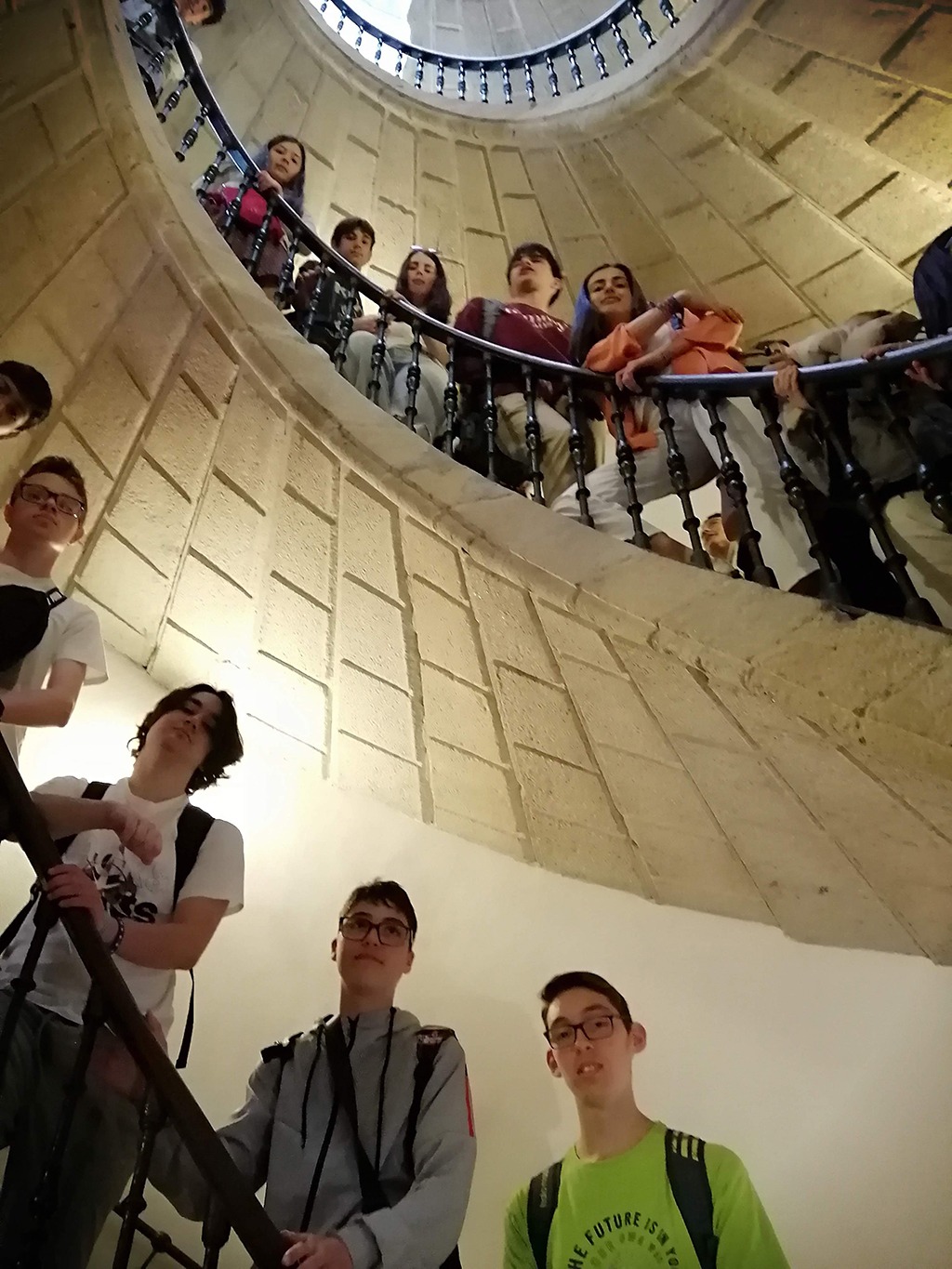
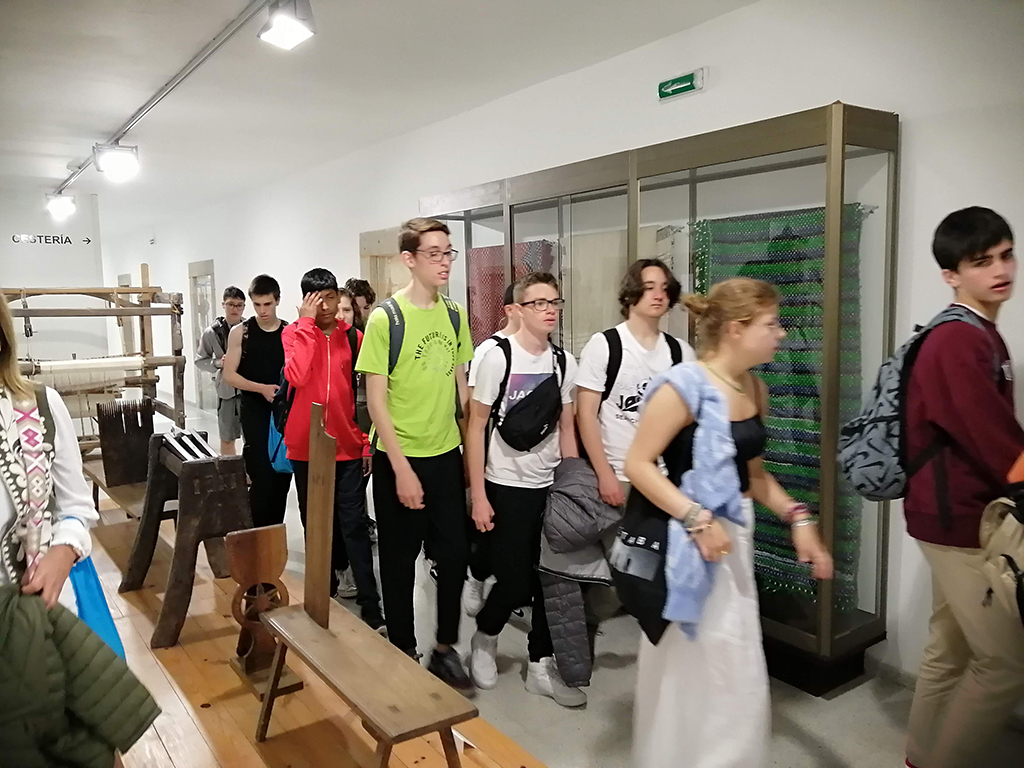
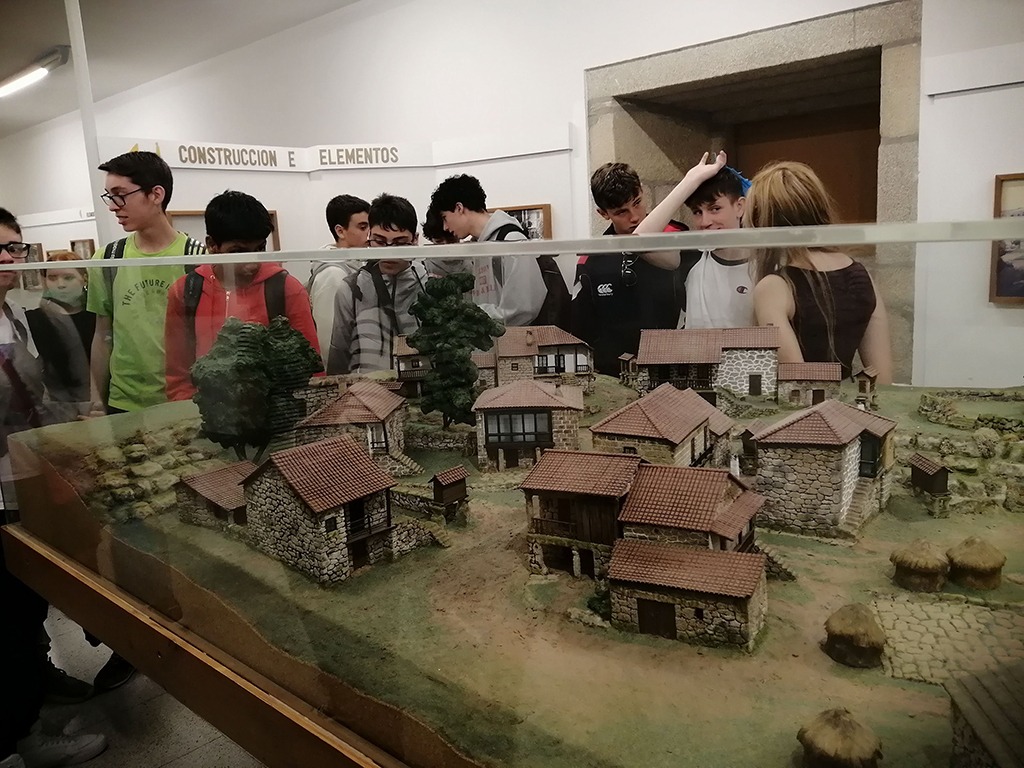
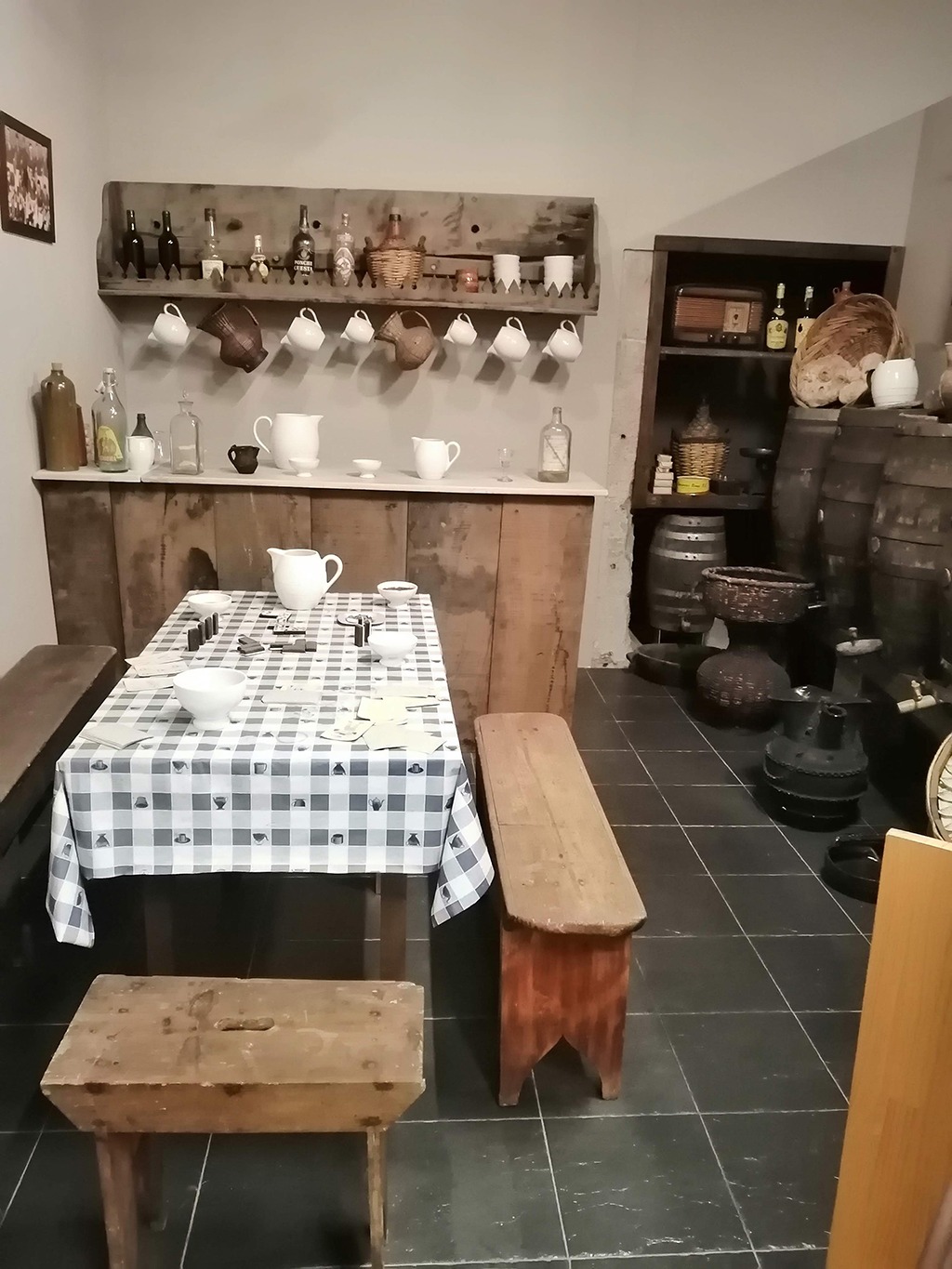
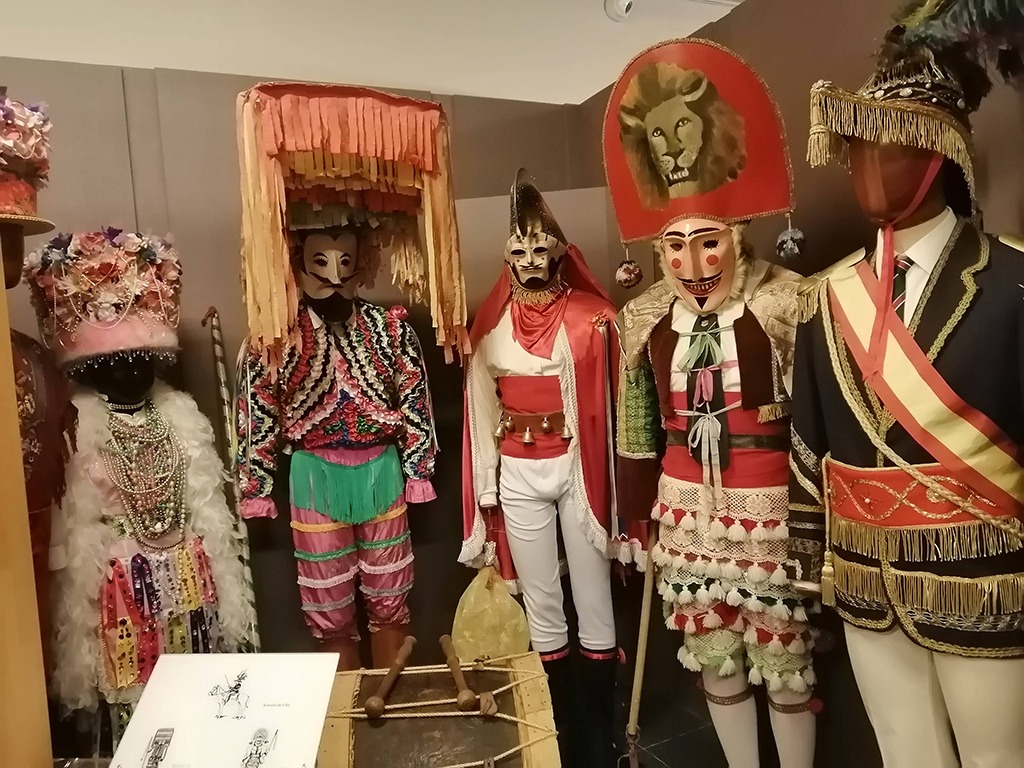
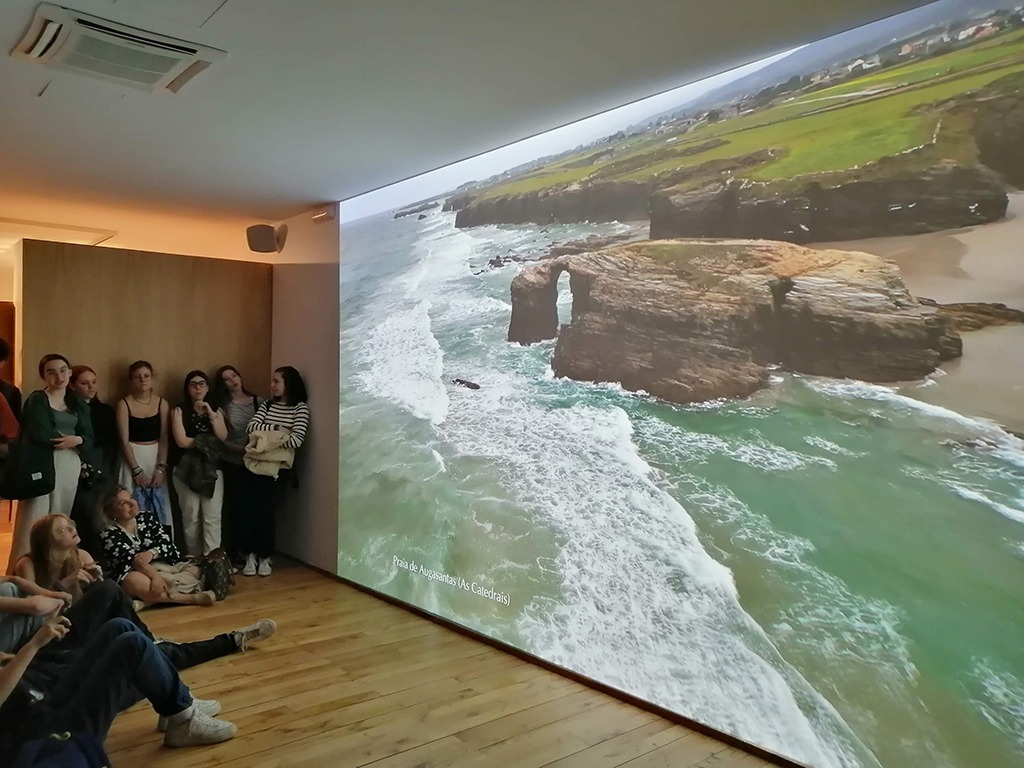
To showcase the cultural roots of Galicia, we visited the “Museo etnográfico do Pobo Galego.”
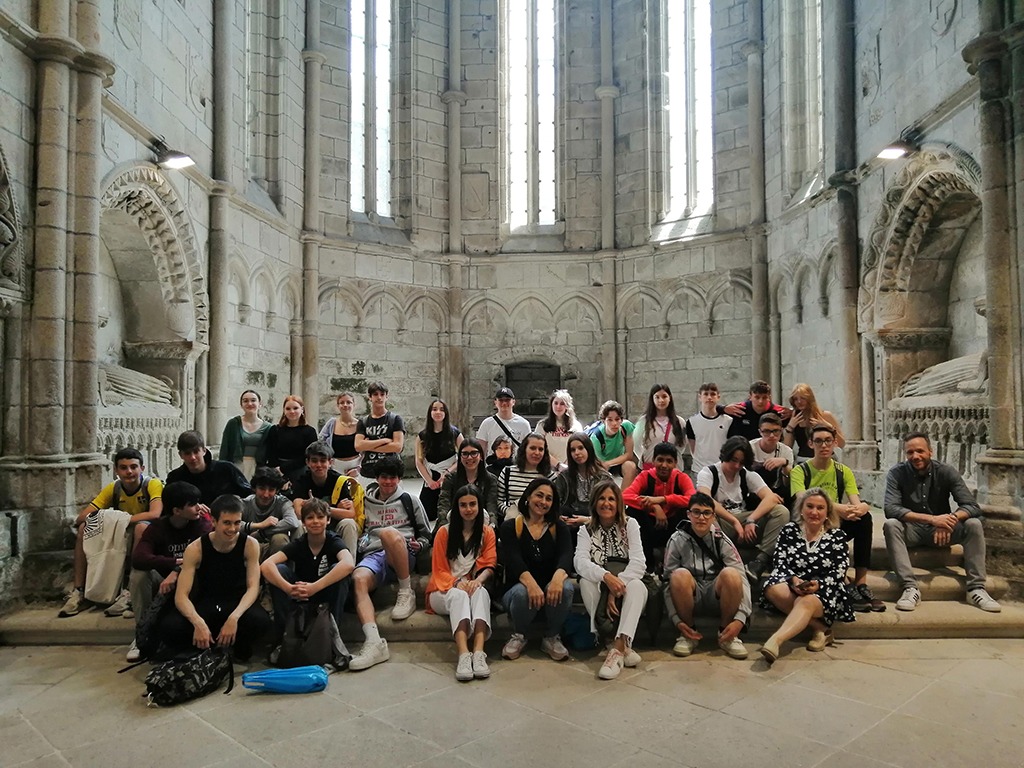
As a representation of the beautiful green spaces of the city of Santiago, we explored the gardens of Santo Domingo de Bonaval, a large green space covering almost 40 thousand square meters, which also holds significant monumental interest as the remains of an ancient convent are integrated into it, housing the pantheon of illustrious Galicians.